Understanding Retinopathy Of Prematurity Stages
The journey of becoming a parent to a premature baby is filled with both hope and challenges. Among the many health concerns that premature infants may face, Retinopathy of Prematurity (ROP) stands out as a critical condition requiring timely diagnosis and intervention. This condition, which primarily affects the eyes, can feel overwhelming, but understanding its stages and treatments can empower parents and caregivers to take the necessary steps for their baby’s well-being.
At Sarakshi Netralaya, a leading hospital for ROP treatment in Nagpur, we understand the emotional weight of these moments. Our team of skilled specialists is here to guide you through the process, ensuring the best care for your little one.
What Is Retinopathy of Prematurity?
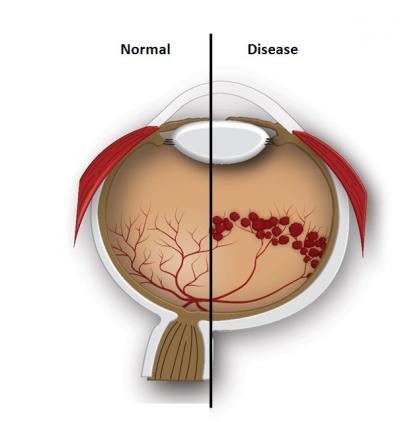
Retinopathy of Prematurity occurs when blood vessels in a premature baby’s retina develop improperly. This can cause a variety of vision impairments, ranging from mild to severe, including blindness in extreme cases. The disease usually affects newborns born before 31 weeks’ gestation or weighing less than 1,500 grammes. Early retinopathy of prematurity screening is crucial to identify the condition and start appropriate treatment. With timely intervention, many babies can have a better chance at preserving their vision and living a full, healthy life.
Understanding the stages
ROP is categorized into five stages.
Stage 1: Mild Abnormal Blood Vessel Growth
In this stage, the blood vessels in the retina begin to develop abnormally. While this stage often resolves on its own without treatment, close monitoring is essential to ensure it does not progress.
Stage 2: Moderate Abnormal Blood Vessel Growth
In this stage, the blood vessels in the retina begin to develop abnormally. While this stage often resolves on its own without treatment, close monitoring is essential to ensure it does not progress.
Stage 3: Severe Abnormal Blood Vessel Growth
At this point, the blood vessels expand abnormally and begin to pull on the retina. This is a tipping point where therapy is required to avoid irreparable damage.
Stage 4: Partial Retinal Detachment
In Stage 4, the retina begins to detach partially due to the abnormal blood vessels tugging on it. Surgery may be required to repair the damage and preserve vision.
Stage 5: Complete Retinal Detachment
This is the most advanced stage of ROP, and the retina is completely detached. Vision loss at this stage might be significant, necessitating sophisticated surgical procedures. However, early detection and management can frequently avoid this outcome.
Causes of Retinopathy of Prematurity
Understanding the causes of retinopathy of prematurity can help caregivers take preventive measures where possible. The condition is primarily linked to premature birth and low birth weight, as the retinal blood vessels have not had enough time to develop fully.
Other factors
- High levels of supplemental oxygen after birth.
- Difficulty seeing in dim light
- Infections or complications during birth.
- Genetic predispositions.
The Importance of Retinopathy of Prematurity Screening
Screening is the cornerstone of good ROP management. Babies born preterm should have their first eye test between 4-6 weeks of birth, or earlier if the neonatologist deems it necessary. During the screening, the ophthalmologist examines the baby’s retina for any abnormal growth or changes. This painless procedure, though delicate, is vital in determining the presence and stage of ROP. Timely screenings can prevent complications, giving your baby the best chance at healthy vision.
At Sarakshi Netralaya, we specialize in providing comprehensive eye care, with a dedicated focus on premature infants and ROP. Recognized as a leading hospital for ROP treatment in Nagpur, our team combines state-of-the-art technology with compassionate care.
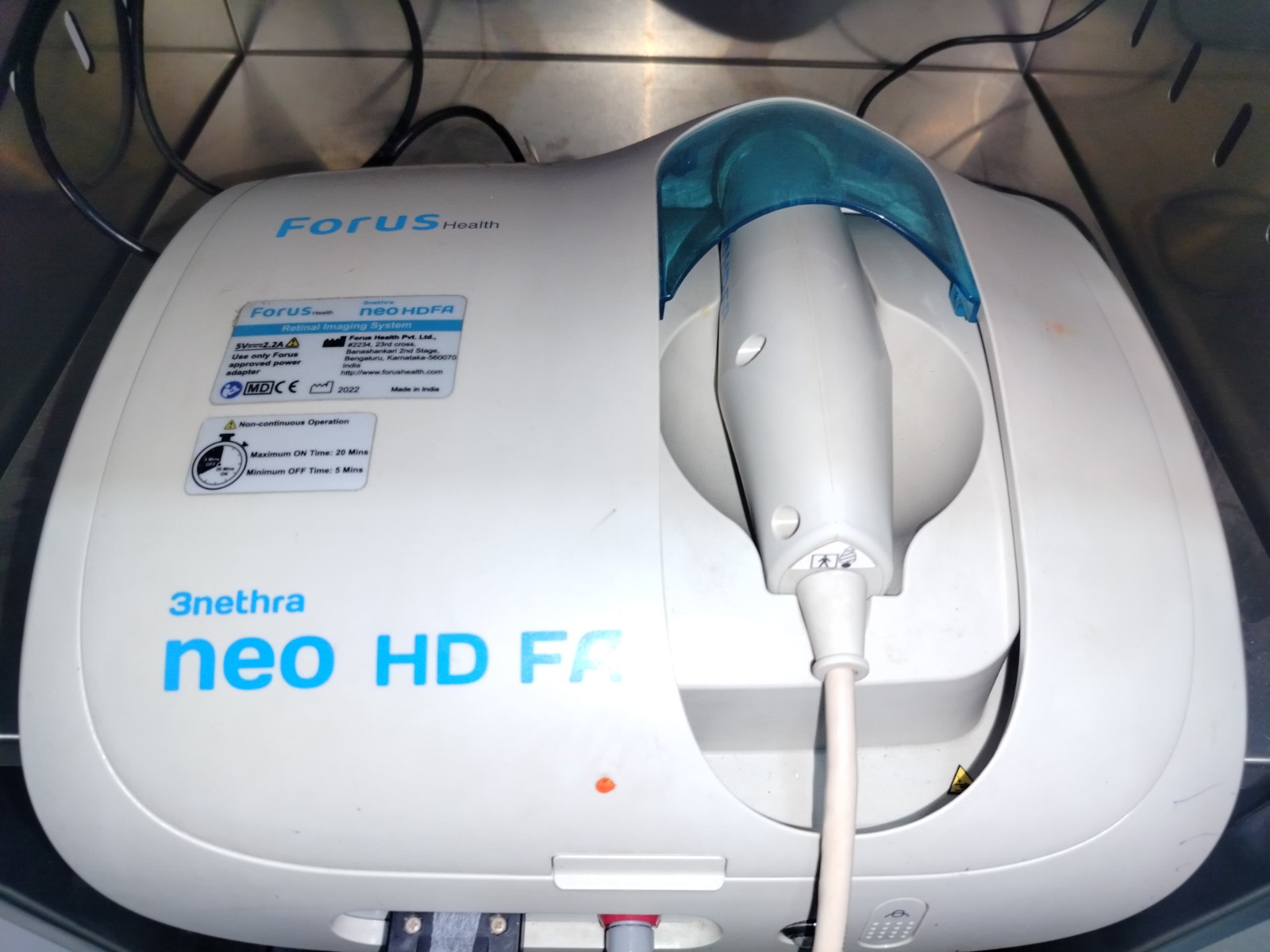
Retinopathy of Prematurity (ROP) requires early detection for timely intervention, and at Sarakshi Netralaya, we utilize NEORET, an advanced screening tool designed specifically for newborn eye care. This cutting-edge technology enables precise and non-invasive imaging, allowing our specialists to diagnose ROP at its earliest stages. By integrating NEORET into our neonatal care, we ensure that premature infants receive prompt and effective treatment, significantly reducing the risk of vision impairment. Our commitment to innovation and excellence in pediatric ophthalmology ensures that every newborn gets the best start in life with optimal eye health.