

LASIK and Refractive Surgeries: We offer both LASIK surgery and other refractive surgeries at our hospital. These procedures can correct vision problems such as nearsightedness, farsightedness, and astigmatism. The surgery usually takes less than 30 minutes per eye, and most people have very little or no discomfort after the surgery.
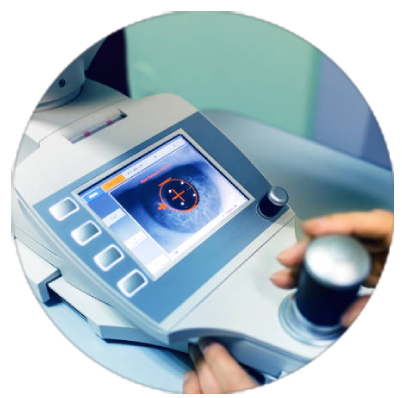
Corneal Transplant: The corneal transplant services provided by Sarakshi Hospital are highly efficient and effective. The hospital has a team of experienced and qualified professionals who are dedicated to providing the best possible care to their patients. The hospital also has advanced equipment and facilities that help in providing better treatment options to patients.
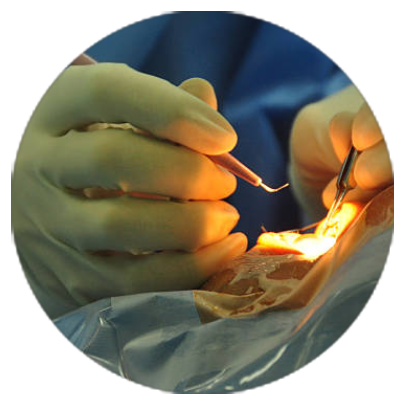
Vitrectomy: A vitrectomy is a surgery to remove the vitreous humour from the eye. This surgery is used to treat a number of conditions, including retinal detachment, macular hole, and diabetic retinopathy.
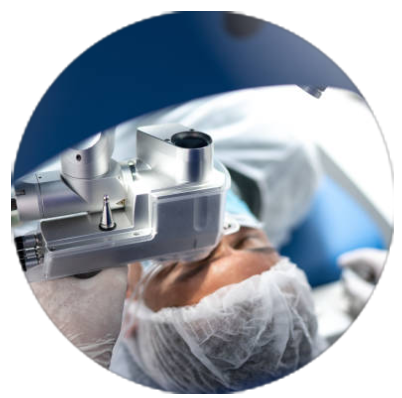
Phacoemulsification + IOL Surgery: Phacoemulsification (phaco) and implantation of an intraocular lens (IOL) is a surgical procedure to improve vision in patients with cataracts. The procedure is typically performed on an outpatient basis and typically takes less than 30 minutes to complete.
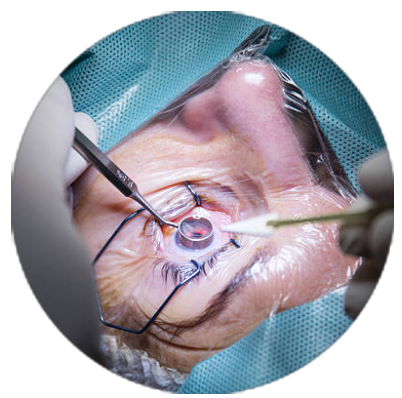
Combined Surgery: Cataracts and glaucoma are common diseases. Your doctor may recommend combination cataract-glaucoma surgery if a cataract is impairing your vision and eye pressure is not normal after medication or laser therapy.
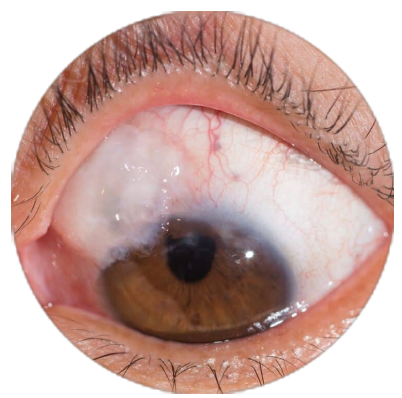
Trabeculectomy: A trabeculectomy is a surgical procedure used to treat glaucoma. It is a hole that is surgically created in the eye to allow fluid to drain from the eye. This helps to lower the pressure inside the eye.
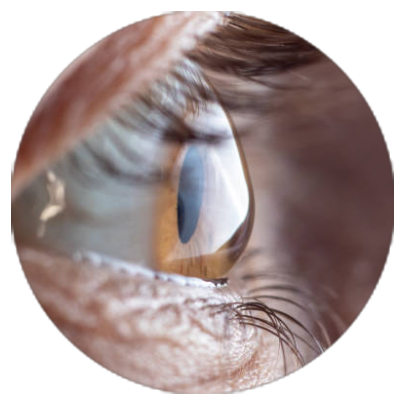
Scleral Buckle: A scleral buckle is a small, flexible band that is placed around the outside of the eye. It helps to hold the eye in place and prevents it from moving too much. This can be helpful for people who have had surgery on their eye or who have a condition that causes their eye to move too much.

Silicone Oil Removal: An outpatient surgery termed a pars plana vitrectomy may remove silicone oil from the eye. Both twilight sleep (medically supervised anaesthetic treatment) and general anaesthesia may be used for this procedure.
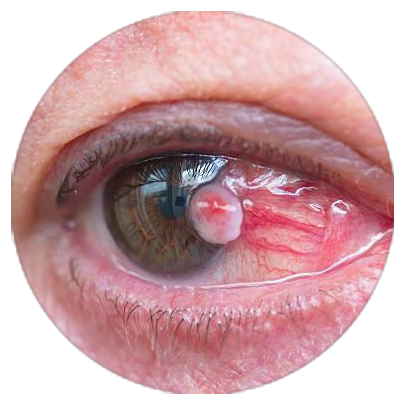
Silicon Oil Insertion: Patients undergo retinal surgery for reasons of retinal detachment or diabetic scarring. Both may cause retinal holes. Laser treatment must be used to seal these holes to prevent retinal detachment. The Laser's full impact takes 2 weeks. Silicone oil is administered in the eye to prevent eye fluid from reentering retinal tears and going beneath the retina while the laser works.
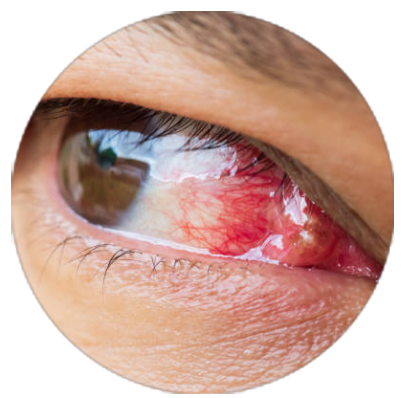
Pterygium Surgery: Pterygium surgery is typically an outpatient procedure, which means that you will be able to go home the same day. You will likely experience some minor discomfort and swelling following surgery, but this should dissipate within a few days. Most patients are able to return to their normal activities within a week or two.
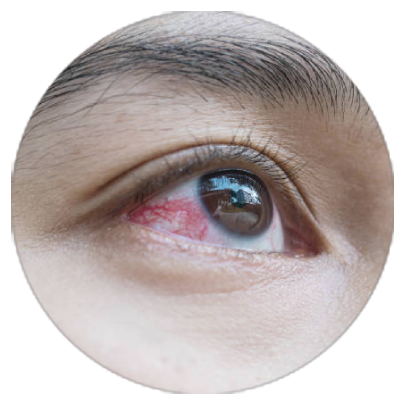
Retinal Detachment Probing: The probing procedure is performed in a hospital or surgery setting. Your eye will be numbed and a small incision will be made in the sclera, or white part of your eye. A needle is then inserted into the vitreous humour, the clear gel-like substance that fills the inside of your eye. The probe is used to apply pressure to the retina and help it reattach to the back of the eye.
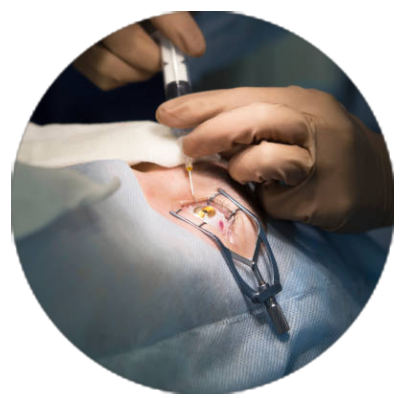
Intravitreal Injection: Intravitreal injections are eyeshots. Jelly-like fluid fills the eye (vitreous). Your doctor injects drugs into the vitreous near the retina at the rear of the eye. The drug treats eye disorders and protects eyesight.
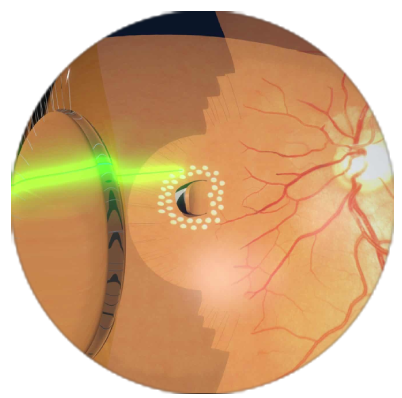
Tear Repairs: All types of tear repairs are done at our hospital. A laser seals the retina to the eye wall during retinal tear surgery. The objective is to prevent fluid from entering the tear and separating the retina. Treatment usually takes less than 15 minutes and is done in the office of your ophthalmologist.
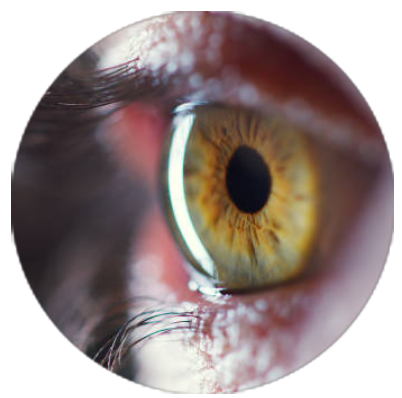
Lensectomy: When cataracts or other lens opacities make vitrectomy impossible, or when the lens itself gets in the way of vitreous base and/or peripheral retina surgery, a lensectomy may be necessary. Lensectomy is done before vitreous removal to prevent lens fragments from being pushed into the eye during the procedure.
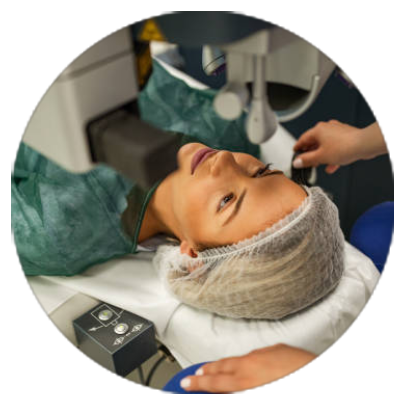
Membranectomy: Epiretinal membrane (ERM) distorts central vision by growing a membrane across the retina. ERM is often related to retinal detachment, uveitis, retinal tears, BRVO, and CRVO. Clear ERMs need membranectomy, a peeling operation.

Dacryocystorhinostomy (DCR): Abnormal eye watering (epiphora) is caused by structural or infectious tear duct blockage. This hinders tear outflow into the nose. Stagnant tears might cause infection. Dacryocystorhinostomy (DCR) restores normal tear flow from the tear ducts to the nose, relieving excessive tearing.
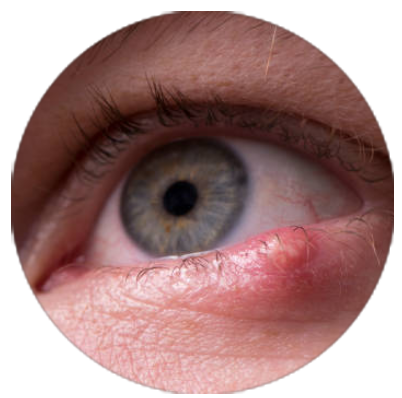
Chalazion Incision and Drainage: A chalazion may go away on its own, or you can try treating it with warm compresses, lid scrubs, and lid massage. In cases where the chalazion does not improve, incision and drainage may be performed. Following the administration of topical anaesthetic, an incision is made in the conjunctiva of the eyelid in order to remove the chalazion.
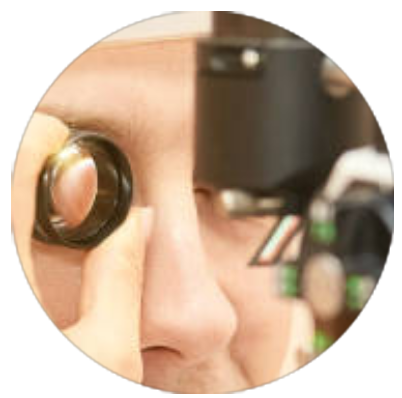
Enucleation and Evisceration: There are two surgical methods for removing eyes: enucleation and evisceration. While enucleation eliminates the eyeball entirely, evisceration just takes out the cornea and surrounding tissue.
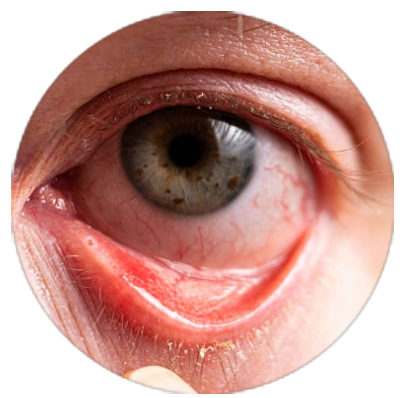
Anterior Chamber Wash: Using paracentesis and a mild anterior chamber washout, this minimally invasive surgical strategy aims to cause no more damage to the patient. This method is risk-free, easy to execute, and doesn't call for any complex equipment to get good outcomes.
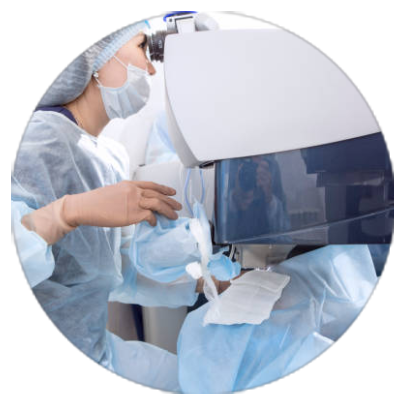
Wound Repair: All types of eye-related wounds are treated at Sarakshi Hospital. Depending on the nature of the wound, a doctor may need to repair it surgically. In some cases, a damaged blood vessel may need to be repaired. If the eye has been damaged by a sharp object, the doctor may need to remove any fragments that are still in the wound. In most cases, however, the wound can be repaired without surgery. A doctor will clean the wound and then apply a bandage or patch. The patient will need to keep the wound dry and may need to take antibiotics to prevent infection.