Category: Uncategorized

  • What are the best treatments for myopia in children?

    What are the best treatments for myopia in children?

    Effective Treatments for myopia in children

    Pediatric Myopia Treatment Options

    Effective Myopia Treatments For Young Children

    Myopia, commonly known as nearsightedness, is a prevalent eye condition that often begins in childhood and can worsen over time if not managed effectively. At Sarakshi Netralaya in Nagpur, we specialize in advancedmyopia control treatments to address myopia progression in children, ensuring their eye health for the future.
    Myopia tends to progress during childhood and adolescence, affecting how clearly a child can see distant objects. If left unchecked, high myopia can lead to increased risks of eye diseases like retinal detachment and glaucoma later in life. Our team of dedicated myopia specialists in Nagpur is committed to providing personalized care for each child. We understand the importance of early intervention and regular monitoring to achieve the best outcomes in myopia management.

    Myopia Control Treatments

    At Sarakshi Netralaya, we offer specialized treatments designed to slow down myopia progression and preserve vision:
    • Orthokeratology (Ortho-K): This non-surgical treatment involves wearing specially designed gas-permeable contact lenses overnight. These lenses reshape the cornea temporarily, providing clear vision throughout the day without the need for glasses or daytime contact lenses.
    • Atropine Eye Drops: Low-dose atropine eye drops have been shown to effectively slow down myopia progression in children. They work by dilating the pupil and temporarily relaxing the focusing mechanism of the eye.

    Pediatric Myopia Treatment in Nagpur

    For parents concerned about their child’s vision, Sarakshi Netralaya offers comprehensive pediatric myopia treatment in Nagpur. Our approach focuses not only on correcting vision but also on preventing future vision problems associated with progressive myopia.
    Early intervention and proper management are key to controlling myopia progression in children. At Sarakshi Netralaya, we combine advanced myopia control treatments with compassionate care to ensure the best possible outcomes for your child’s eye health.
    If you’re looking for expert care and effective myopia control treatments in Nagpur, contact Sarakshi Netralaya today. Our team of myopia specialists is here to help your child see a clearer, brighter future.

    Book an Appointment

    [wpforms id=”63″ title=”false”]
  • What are the signs of neuro-ophthalmic issues?

    What are the signs of neuro-ophthalmic issues?

    What are the signs of neuro-ophthalmic issues?

    Neuro Ophthalmic Condition Signs

    Common Signs Of Neuro Ophthalmic Issues

    What are the signs of neuro-ophthalmic issues?

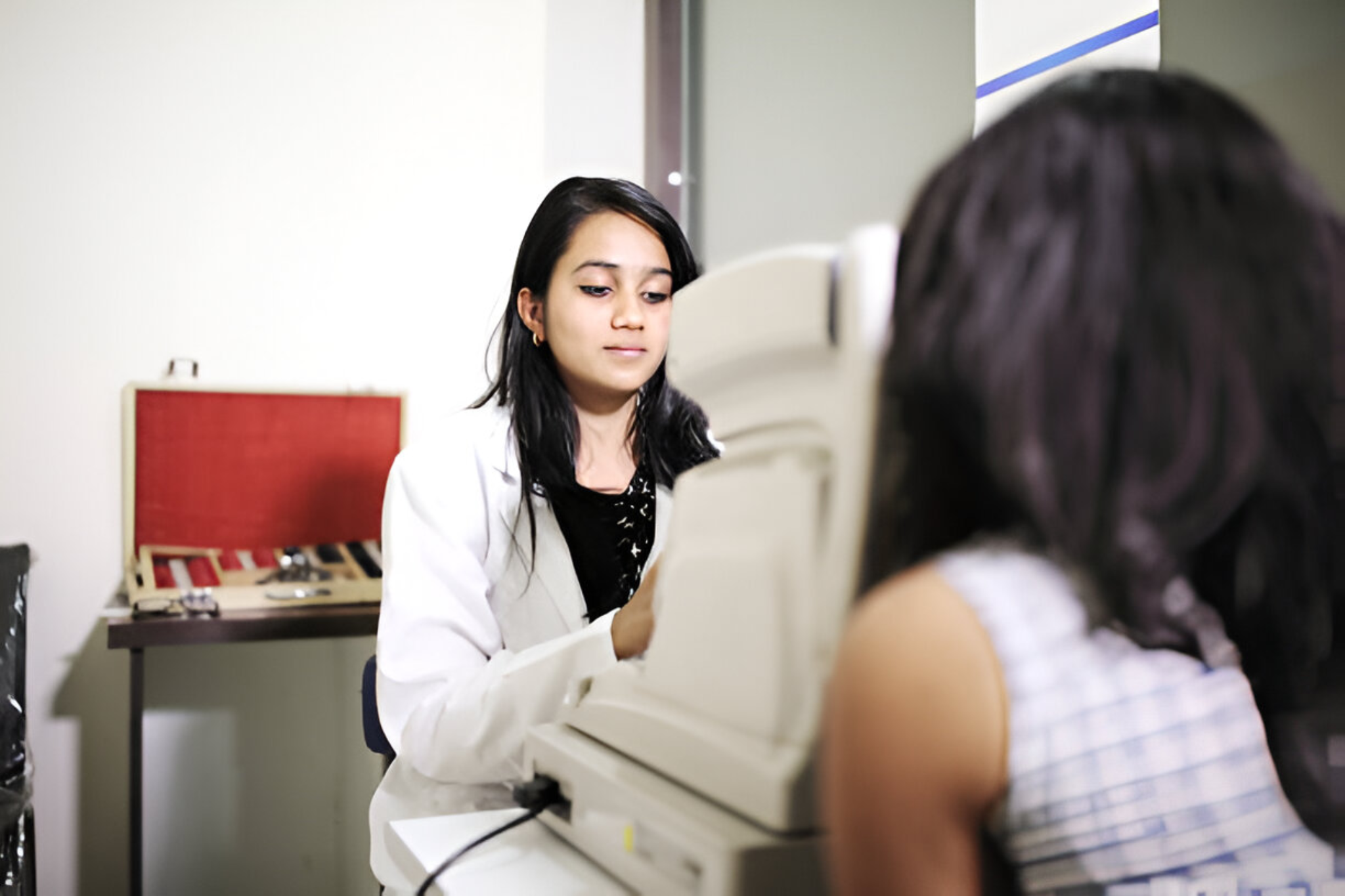
    Our eyes are windows to the world, but sometimes what we see can offer clues to what’s happening within our brain. Neuro-ophthalmology is a specialized field that bridges the gap between neurological and visual problems. It delves into how the brain and the visual system interact, and how issues in one can impact the other.

    Know the Red Flags in Your Vision

    • Sudden Vision Loss: This can be partial or complete, and it’s crucial to seek immediate medical attention, especially if accompanied by a headache or numbness.
    • Double Vision (Diplopia): Seeing double can be caused by various factors, but if it’s sudden or accompanied by other symptoms, it could indicate a neuro-ophthalmic issue.
    • Vision Field Loss: This can manifest as blind spots or a feeling that part of your visual field is missing.
    • Eyelid Drooping (Ptosis): A sudden drooping eyelid, particularly if one-sided, can be a sign of nerve weakness.
    • Eye Pain or Headaches: While common, persistent pain around the eyes or headaches that worsen with eye movement can be a cause for concern.
    • Pupillary Abnormalities: Unequal pupil sizes or sluggish pupil response to light can be indicators of neurological problems.
    If you experience any of these signs, it’s vital to consult an ophthalmologist or neuro-ophthalmologist . Early diagnosis and treatment are key for managing neuro-ophthalmic conditions effectively. Treatment options can range from medications and vision therapy to surgery, depending on the specific diagnosis. For those seeking specialized care, visit Sarakshi Netralaya for neuro ophthalmology treatment in Nagpur, offering advanced solutions tailored to each patient’s needs.
    Don’t ignore sudden or persistent changes in your vision. While some issues might be minor, others could signal underlying neuro-ophthalmic problems. By being aware of the red flags and seeking timely medical attention, you can ensure your visual health and overall well-being. Remember, early detection is crucial for successful management and preserving optimal vision. Visiting our neuro-ophthalmology clinic in Nagpur could be the first step towards protecting your sight and addressing any neuro-ophthalmic concerns.
    If you’re looking for expert care, consider consulting the Sarakshi Netralaya for best neuro ophthalmologist in Nagpur for an accurate diagnosis and tailored treatment plan. The highly experienced specialists at this clinic are dedicated to providing personalized care for every patient, ensuring optimal outcomes.

    Book an Appointment

    [wpforms id=”63″ title=”false”]
  • How To Do Post Operative Care For Cataract Patients?

    How To Do Post Operative Care For Cataract Patients?

    HOW TO DO POST OPERATIVE CARE FOR CATARACT PATIENTS?

    Cataract Surgery Post Op Care

    Post Operative Recovery Care For Cataract Patients

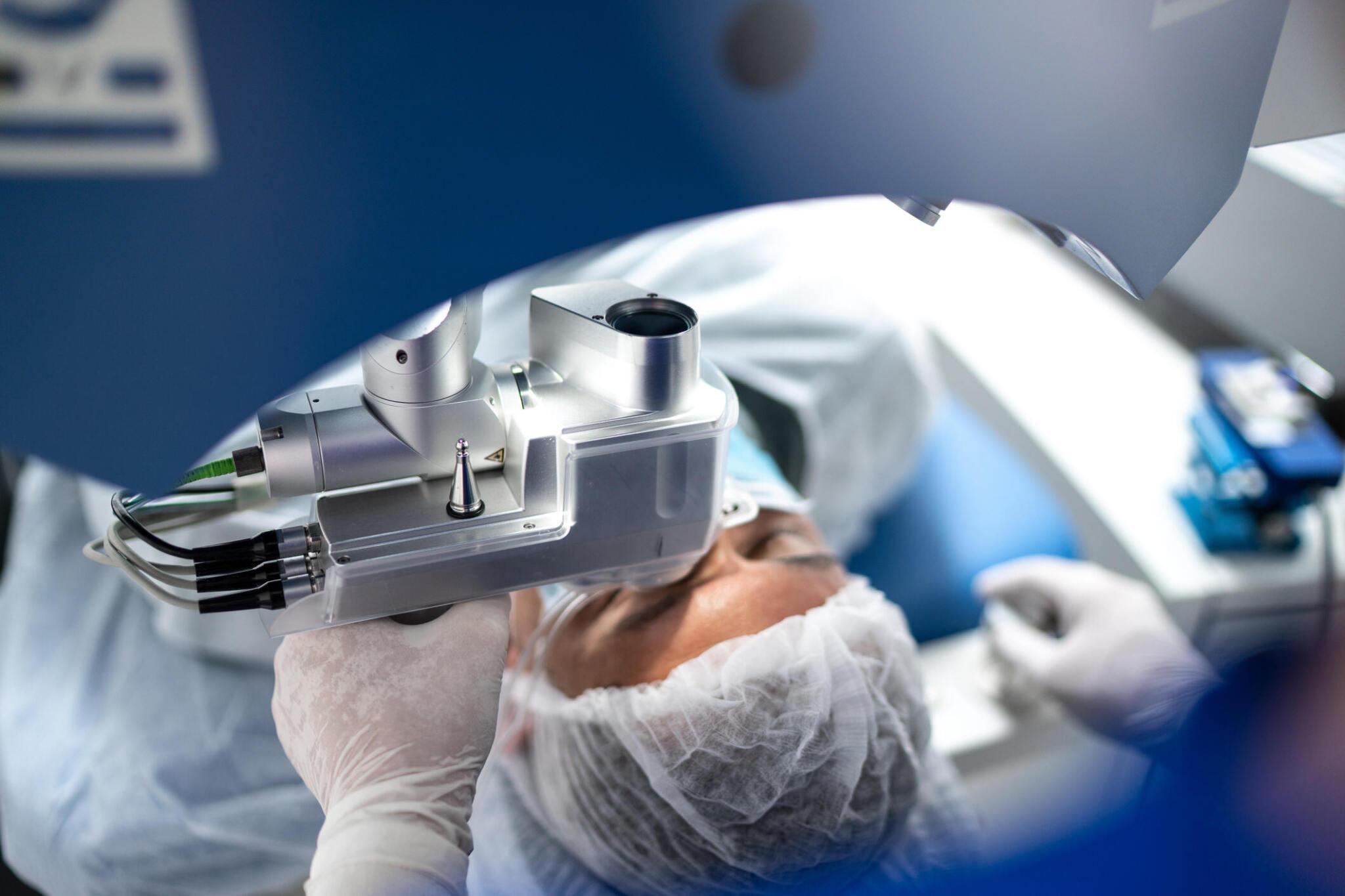
    A cataract is a clouding of the lens in the eye that affects vision. It is a common condition, especially in older adults, and can occur in one or both eyes. Cataracts develop slowly over time and can cause vision to become blurry, dim, or discolored. Other symptoms include sensitivity to light, difficulty seeing at night, and seeing halos around lights. Cataracts are often a natural part of aging, but they can also be caused by injury, certain medications, or medical conditions. Treatment for cataracts involves surgery to remove the cloudy lens and replace it with an artificial lens to restore clear vision. For those seeking the best cataract surgeon in Nagpur, Sarakshi Netralaya stands out for its excellence in cataract eye surgery, delivering quality care and successful outcomes.

    Post-Operative Care for Cataract Patients

    Post-operative care for cataract patients is crucial for ensuring a smooth recovery and optimal outcomes. Here are some general guidelines:

    • Eye Protection: Patients should wear an eye shield or glasses to protect the eye from injury and avoid rubbing or pressing on the eye.
    • Medication: Patients will be prescribed eye drops to prevent infection and reduce inflammation. It’s important to use these drops as directed by the doctor.
    • Rest: Adequate rest is important to promote healing. Patients should avoid strenuous activities and heavy lifting.
    • Hygiene: Keeping the eye area clean is important to prevent infection. Patients should avoid getting water or soap in the eye.
    • Follow-up Appointments: Patients should attend all follow-up appointments with their doctor to monitor the healing process and ensure proper recovery.
    • Avoiding Pressure on the Eye: Patients should avoid activities that increase pressure in the eye, such as bending over, coughing, or sneezing forcefully.
    In conclusion, post-operative care is essential for cataract patients to ensure a smooth recovery and optimal vision outcomes. Sarakshi Netralaya is recognized as one of the best hospitals for cataract surgery in Nagpur, offering advanced treatment options and expert care. With a focus on patient safety and comfort, Sarakshi Netralaya is a leading cataract surgery hospital in Nagpur, providing comprehensive eye care services. Patients can expect top-notch treatment from the best eye hospital in Nagpur, with skilled surgeons and a dedicated team.

    Book an Appointment

    [wpforms id=”63″ title=”false”]
  • What are the common cornea problems?

    What are the common cornea problems?

    What are the common cornea problems?

    Common Cornea Eye Problems

    Identifying Symptoms Of Common Cornea Problems

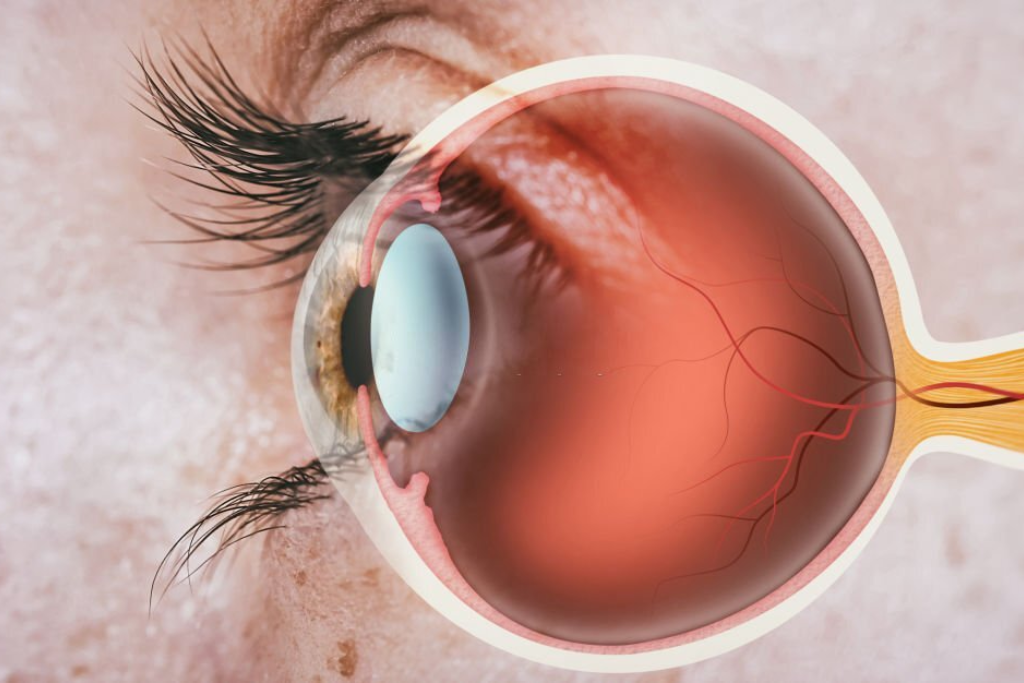
    Have you ever considered the amazing structure that is responsible for your clear and vivid vision? Take a look at the cornea! The cornea, located in the front of the eye, is critical in focusing light onto the retina, allowing visual experience. The cornea is the clear front surface of the eye that serves as a protective screen and refracts light, allowing you to view the world in all its beauty. While the cornea is an incredible structure, it is susceptible to certain conditions that can compromise your vision. Sarakshi Netralaya stands as a leading cornea eye hospital in Nagpur, dedicated to providing specialized cornea treatments.

    Common Cornea Disorders

    Sarakshi Netralaya specializes in identifying and treating common cornea disorders, such as:
    • Corneal Abrasions: Corneal abrasions or scrapes can cause pain, redness, and impaired vision.
    • Corneal Ulcers: If left untreated, open ulcers on the cornea, frequently caused by infections or trauma, can cause serious vision loss.
    • Corneal Dystrophies: Inherited conditions that cause abnormal changes to the cornea, resulting in hazy vision and gradual degeneration.
    • Keratoconus: A progressive condition in which the cornea thins and becomes a cone-like shape, resulting in impaired vision.
    • Corneal Infections: Corneal infections, such as bacterial, viral, or fungal keratitis, can occur due to injuries, contact lens misuse, or compromised immune systems.

    Comprehensive Cornea Care

    When it comes to cornea problems, timely diagnosis and appropriate treatment are crucial. Sarakshi Netralaya, the best eye hospital in Nagpur, offers comprehensive care for various corneal conditions. Our treatments help to reduce patient discomfort, increase vision, and improve general eye health through a comprehensive approach that includes diagnostic, treatment, and innovative surgical techniques. For Corneal Surgery in Nagpur, Sarakshi Netralaya plays an important role in treating common corneal issues to improve the patient’s visual acuity. From corneal abrasions and ulcers to keratoconus and corneal dystrophies, our experienced team of eye specialists is dedicated to providing personalized treatments and advanced surgical options when necessary. If you’re experiencing any cornea-related issues, don’t hesitate to consult the experts at Sarakshi Netralaya for the best possible care and vision outcomes. By using their knowledge and leading-edge technology, Sarakshi Netralaya continues to be on the cutting edge of treating corneal conditions, guaranteeing a better future for patients’ visual health. Experience Compassionate Care and Expert Guidance for Cornea Treatment in Nagpur from Sarakshi Netralaya and treat your eye conditions now!

    Book an Appointment

    [wpforms id=”63″ title=”false”]

  • Retinopathy Of Prematurity: When And Whom To Screen

    Retinopathy Of Prematurity: When And Whom To Screen

    RETINOPATHY OF PREMATURITY: WHEN AND WHOM TO SCREEN

    Retinopathy Of Prematurity Care

    Retinopathy Of Prematurity Risk And Treatments

    Retinopathy of Prematurity (ROP) is a significant health concern, particularly for infants with low birth weight. This common infant eye disorder can potentially lead to blindness if ignored. But, the question arises, who should be screened for ROP and what is the right time to screen for ROP? At Sarakshi Netralaya, our experienced and skilled team of doctors use the latest techniques and technology to provide the best ROP Treatment in Nagpur. We understand the importance of early detection and intervention for ROP. We are committed to helping every child receive the treatment they need to prevent permanent vision loss.

    Who should be screened for ROP?

    In most instances, infants who weigh less than 1500 grams or have been born before 32 weeks of gestation are prone to ROP. However, other factors such as anemia, oxygen therapy, and respiratory distress can also contribute to the development of this disorder. Thus, it is paramount for neonatal care units and caregivers to adopt strict ROP screening protocols ensuring no child falls through the cracks.

    What is the right time to screen for ROP?

    According to experts, the screening should ideally commence between the infant’s 4th to 6th week. Since the disorder progresses rapidly, regular follow-ups post the initial screening are crucial. The first few weeks after birth are extremely critical and can make a monumental difference in the infant’s vision.

    How to prepare a baby for the examination?

    To prepare the baby for an examination, the doctor may use a combination of tropicamide and phenylephrine eye drops that have been diluted. Another option is to apply cyclopentolate eye drops with a concentration of 0.5% to 1%. These drops will be administered 2 to 3 times, with each application spaced 5 minutes apart. After waiting for about 30 to 45 minutes, the doctor will then perform the examination. Remember, it is important to wipe off any excess drops 

    Sarakshi Netralaya: Pioneer in ROP Treatment in Nagpur

    When it comes to ROP screening and treatment, Sarakshi Netralaya stands tall as the Best Eye Hospital for ROP treatment in Nagpur. With years of experience, our specialists possess the perfect blend of expertise, authority, and trust for handling such delicate procedures. Here at Sarakshi Netralaya, we specialize in Retinopathy of Prematurity treatment in Nagpur, our appreciation for the severity and urgency of the situation drives us to stay on top of the latest treatment modalities to keep our little patients’ vision safe. By using their knowledge and leading-edge technology, Sarakshi Netralaya continues to be on the cutting edge of treating ROP, guaranteeing a better future for our patients’ visual health. Experience Compassionate Care and Expert Guidance for ROP Treatment in Nagpur from Sarakshi Netralaya and protect your child’s vision now!

    Book an Appointment

    [wpforms id=”63″ title=”false”]

  • Diet and Nutrition for Healthy

    Diet and Nutrition for Healthy

    DIET AND NUTRITION FOR HEALTHY EYES

    Healthy Eye Diet And Nutrition

    Best Diet And Essential Nutrition For Healthy Eyes

    Our eyes are precious windows to the world and preserving their health should be a top priority. While we often focus on lifestyle choices like wearing sunglasses and limiting screen time, we tend to overlook the importance of diet and nutrition for maintaining optimal eye health. Let’s explore the vital role that proper nutrition plays in safeguarding our eyes and offer valuable insights into how you can incorporate eye-friendly foods into your daily diet. Whether you’re in search of an eye hospital in Nagpur or the best eye clinic in Nagpur, Sarakshi Netralaya is a name you can trust.

    The Importance of Eye Health

    Before we delve into dietary recommendations, let’s understand why eye health matters. Our eyes are complex organs that require various nutrients to function correctly. Poor nutrition can lead to a range of eye conditions, including cataracts, glaucoma, age-related macular degeneration (AMD), and dry eye syndrome. By making intelligent dietary choices, we can significantly reduce the risk of these conditions and maintain clear, vibrant vision throughout our lives.

    Key Nutrients for Eye Health

    Beta-Carotene (Vitamin A): Vitamin A is essential for maintaining good vision, particularly in low-light conditions. It plays a vital role in preventing night blindness and supports the health of the retina. Foods rich in beta-carotene include carrots, sweet potatoes, spinach, and kale.

    Lutein and Zeaxanthin: These powerful antioxidants help protect the eyes from harmful light and reduce the risk of AMD and cataracts. They are present in leafy greens like spinach and kale, as well as in egg yolks.

    Vitamin C: Vitamin C supports the blood vessels in the eyes and reduces the risk of cataracts. Citrus fruits, strawberries, and bell peppers are excellent sources of this vitamin.

    Omega-3 Fatty Acids: Fatty fish like salmon, trout, and mackerel are rich in omega-3 fatty acids, which help prevent dry eyes and reduce the risk of AMD.

    Zinc: Zinc is essential for maintaining the health of the retina and may help prevent AMD. Good sources include lean meats, poultry, nuts, and whole grains.

    Antioxidants: Fruits and vegetables like blueberries, grapes, and broccoli contain antioxidants that protect the eyes from oxidative stress and inflammation.

    Incorporating Eye-Friendly Foods into Your Diet

    Leafy Greens: Spinach, kale, and collard greens are versatile ingredients that can be added to salads, smoothies, or as side dishes.

    Colorful Fruits and Vegetables: Incorporate a variety of colorful produce like carrots, bell peppers, and sweet potatoes into your meals.

    Fatty Fish: Include salmon, sardines, and trout in your diet at least twice a week to ensure a healthy intake of omega-3 fatty acids.

    Nuts and Seeds: Snack on almonds, walnuts, and chia seeds, which provide essential nutrients for eye health.

    Eggs: Enjoy eggs as a source of lutein and zeaxanthin for breakfast or as part of other dishes.

    Citrus Fruits: Satisfy your vitamin C needs with oranges, grapefruits, and kiwis.

    Lean Proteins: Incorporate lean meats, poultry, and beans into your meals to ensure an adequate supply of zinc.

    Hydration and Eye Health

    Staying well-hydrated is also crucial for maintaining healthy eyes. Dehydration can lead to dry eyes, which can be uncomfortable and affect your vision. Drinking plenty of water throughout the day can help keep your eyes moist and comfortable.
    Our eyes are invaluable, and their well-being depends significantly on the foods we consume. By prioritizing a diet rich in eye-friendly nutrients like beta-carotene, lutein, zeaxanthin, vitamins, and antioxidants, you can protect your vision and reduce the risk of age-related eye conditions. Remember, a balanced diet that supports overall health also contributes to the longevity of your eye health. In Nagpur, where eye care is of utmost importance, Sarakshi Netralaya stands as the beacon of hope for those seeking the best eye care services. As the best eye hospital in Nagpur, it combines expertise, technology, and a patient-centric approach to ensure that your vision is treated by the best hands.

    Book an Appointment

    [wpforms id=”63″ title=”false”]

  • Eye Twitching: Is It Harmless Or A Sign Of Something Serious?

    Eye Twitching: Is It Harmless Or A Sign Of Something Serious?

    EYЕ TWITCHING: IS IT HARMLЕSS OR A SIGN OF SOMЕTHING SЕRIOUS?

    Eyelid Twitching Causes
    Have you ever experienced a sudden, involuntary twitching of your eyelid? Eye twitching, or myokymia, is a common phenomenon that most of us have encountered at some point. While it can be a harmless, temporary annoyance, it’s essential to understand when eye twitching might be an indicator of a more serious underlying issue. In this article, we’ll explore the causes, symptoms, and when to seek professional advice, emphasizing the importance of reliable eye care facilities like the best eye hospital in Nagpur and the top eye clinic in Nagpur.

    Common Causes of Eye Twitching

    Fatigue and Stress: Lack of sleep and excessive stress can lead to eye twitching. Managing your stress levels and ensuring adequate rest is crucial in such cases.

    Eye Strain: Prolonged periods of staring at digital screens or reading without breaks can strain the eye muscles, triggering twitching.

    Caffeine and Alcohol: Excessive consumption of caffeine or alcohol can disrupt your sleep patterns, leading to eye twitching.

    Nutritional Deficiencies: Lack of essential nutrients like magnesium can cause muscle spasms, including eyelid twitching.

    When to Seek Professional Help

    While occasional eye twitching is generally harmless, there are situations where it might indicate an underlying problem:

    Persistent Twitching: If the twitching persists for more than a week, it’s wise to consult an eye specialist. Reputable facilities like the best eye hospital in Nagpur can offer professional evaluation and advice.

    Eye Discomfort or Redness: If your eye twitching is accompanied by pain, redness, or swelling, it could be a sign of an eye infection or allergy.

    Changes in Vision: Any changes in your vision, no matter how minor, should be promptly addressed. The top eye clinic in Nagpur can perform comprehensive eye exams to detect potential issues.

    Other Facial Spasms: If you experience twitching in other facial muscles besides the eyelid, it could indicate a more serious neurological condition.

    The Role of Eye Care Facilities

    In Nagpur, individuals have access to excellent eye care facilities, including the best eye hospital and eye clinic in Nagpur. These centers offer comprehensive eye examinations, advanced diagnostic tools, and experienced ophthalmologists who can diagnose the root cause of eye twitching and provide appropriate treatment.

    Prevention and Self-Care

    To prevent eye twitching, consider these self-care measures:

    Prioritize Rest: Ensure you get sufficient sleep and take regular breaks during screen time.

    Manage Stress: Practice relaxation techniques like meditation and yoga to alleviate stress.

    Limit Caffeine and Alcohol: Moderation is key when it comes to stimulants like caffeine and alcohol.

    Nutritious Diet: Maintain a balanced diet rich in magnesium, potassium, and vitamins to support overall muscle health.

    In conclusion, while eye twitching is often harmless, it’s essential to be aware of the circumstances under which it could indicate a more serious issue. Regular eye check-ups at the best eye hospital or eye clinic in Nagpur are fundamental for maintaining good eye health and ensuring timely intervention if needed. Remember, your vision is precious – nurture it with care and seek professional guidance at Sarakshi Netralaya when in doubt.

    Book an Appointment

    [wpforms id=”63″ title=”false”]

  • Can Drinking Coffee Relieve Dry Eyes? Exploring Treatments In Nagpur

    Can Drinking Coffee Relieve Dry Eyes? Exploring Treatments In Nagpur

    CAN DRINKING COFFEE RELIEVE DRY EYES? EXPLORING TREATMENTS IN NAGPUR

    Coffee Influence On Dry Eyes

    Can Drinking Coffee Help Relieve Dry Eyes

    Coffee, often lauded for its energizing properties, has recently been in the spotlight for potentially alleviating dry eye symptoms. In Nagpur, where the quest for effective dry eye treatments is ongoing, this possibility sparks interest among those seeking relief. The content delves into how coffee might influence dry eye symptoms and highlights the best dry eye treatment in Nagpur.

    Coffee and Dry Eyes: A Surprising Connection

    Recent studies suggest that caffeine, a key component of coffee, may increase tear production, offering temporary relief from dry eyes. While this is a promising avenue, it’s important to consider this in the context of a comprehensive dry eye disease treatment plan.

    Navigating Dry Eye Treatment in Nagpur

    In Nagpur, the approach to treating dry eyes is multifaceted. Here are some top recommendations:

    Best Dry Eye Treatment in Nagpur: The city boasts state-of-the-art facilities, such as the renowned dry eye clinic in Nagpur, which offers personalized treatment plans. These may include specialized eye drops, environmental modifications, and lifestyle changes.

    Dry Eye Clinic in Nagpur: Known for its advanced diagnostic tools, the clinic provides detailed assessments to understand the underlying causes of dry eyes, ensuring targeted and effective treatment.

    Dry Eye Disease Treatment in Nagpur: For those seeking comprehensive care, Nagpur’s clinics offer a range of treatments, from conventional therapies to innovative techniques like Intense Pulsed Light (IPL) therapy, providing relief to patients with varying degrees of dry eye disease.

    Incorporating Coffee into Dry Eye Management

    While not a standalone solution, integrating moderate coffee consumption into your dry eye management plan might be beneficial. It’s important to balance this with other treatments recommended by dry eye specialists in Nagpur.
    Exploring the potential of coffee in relieving dry eye symptoms is an intriguing prospect. However, for residents of Nagpur seeking lasting relief, consulting with experts at the best dry eye clinics remains the most effective strategy.

    Remember, an integrated approach that combines lifestyle changes, medical treatments, and, possibly, your morning cup of coffee could be the key to managing dry eye disease effectively.

    Book an Appointment

    [wpforms id=”63″ title=”false”]

  • Can Excessive screen time cause dry eyes?

    Can Excessive screen time cause dry eyes?

    Can Excessive screen time cause dry eyes?

    Does Excessive Screen Time Cause Dry Eyes

    In this virtual world, it’s no marvel that screen time has come to be a sizeable part of our everyday lives. Whether it is for paintings, leisure, or staying linked, we find ourselves glued to displays for extended intervals. At the same time as this digital age has brought several conveniences, it has additionally given an upward push to a commonplace issue: dry eyes. Here, we will discover the connection between excessive screen time and dry eyes, the causes of this pain, and the available eye treatments for dry eyes in Nagpur.

    The virtual Age dilemma: Excessive display screen Time and Dry Eyes

    Excessive display screen time can indeed cause dry eyes. This phenomenon is regularly referred to as “digital eye pressure” or “PC vision syndrome.” whilst we pay attention to displays for extended intervals, we generally tend to blink much less frequently and incompletely. This reduced blink rate can bring about insufficient moisture distribution throughout the eye’s floor, leading to dryness, soreness, and various signs and symptoms of dry eyes.

    Common Place reasons for Dry Eyes:

    Aside from excessive screen time, several other causes of dry eyes may exacerbate the difficulty. Those consist of:
    • Aging: As we become older, our eyes naturally produce fewer tears, making them more liable to dryness.
    • Environmental factors: Dry and windy conditions, as well as exposure to aircon and heating structures, can contribute to dry eyes.
    • Medical situations: Conditions like diabetes, thyroid disorders, and autoimmune diseases can affect tear production.
    • Medicinal drugs: Some medicinal drugs, along with antihistamines and decongestants, can reduce tear production.
    • Gender: Ladies are much more likely to revel in dry eyes, mainly at some point during hormonal adjustments like pregnancy and menopause.

    Exploring Eye Treatment for Dry Eyes in Nagpur

    If you’re experiencing dry eyes, it’s crucial to seek proper dry eye treatment in Nagpur. Here are some treatment options:
    • Artificial Tears: Lubricating eye drops or synthetic tears can offer transient comfort from dry eyes with the aid of supplementing your herbal tears.
    • Prescription medicines: In a few instances, your ophthalmologist might also prescribe medicines like cyclosporine or lifitegrast to increase tear manufacturing.
    • Punctal Plugs: These tiny devices can be inserted into the tear ducts to drain the dam, keeping your eyes wet for longer.
    • Lifestyle adjustments: Simple modifications like taking breaks during screen time, using a humidifier, and maintaining top eyelid hygiene can help alleviate dry eye symptoms.
    • Specialized methods: In severe cases, superior tactics inclusive of LipiFlow® or severe Pulsed mild (IPL) remedy can be encouraged.

    Choosing the Best Eye Hospital in Nagpur

    Whilst looking for a remedy for dry eyes in Nagpur, it is critical to select a good eye health center and skilled ophthalmologist. Look for centers specializing in eye care, have a history of successful treatments, and offer a comprehensive range of offerings to deal with your specific needs.
    In conclusion, excessive screen time can indeed motivate dry eyes, but there are powerful treatments available in Nagpur to relieve this soreness.
    By understanding the causes of dry eyes, recognizing the symptoms, and seeking the right eye treatment for dry eyes, you can maintain clear and comfortable vision. Do not hesitate to consult a dependent ophthalmologist in Nagpur for expert steering and care.

    Book an Appointment

    [wpforms id=”63″ title=”false”]
  • What are the common symptoms of vitreous?

    What are the common symptoms of vitreous?

    WHAT ARE THE COMMON SYMPTOMS OF VITREOUS DISORDERS?

    Vitreous Eye Disorder Symptoms

    Common Symptoms And Signs Of Vitreous Disorders

    Introduction

    Many are concerned about vitreous disorders affecting the vitreous humor of the eye. It is essential for effective care that one understands their symptoms and the options for treating Vitreous disorder. This blog aims to simplify the complexities surrounding these disorders, focusing on symptoms and treatment options available in Nagpur.

    What is the Vitreous Humor?

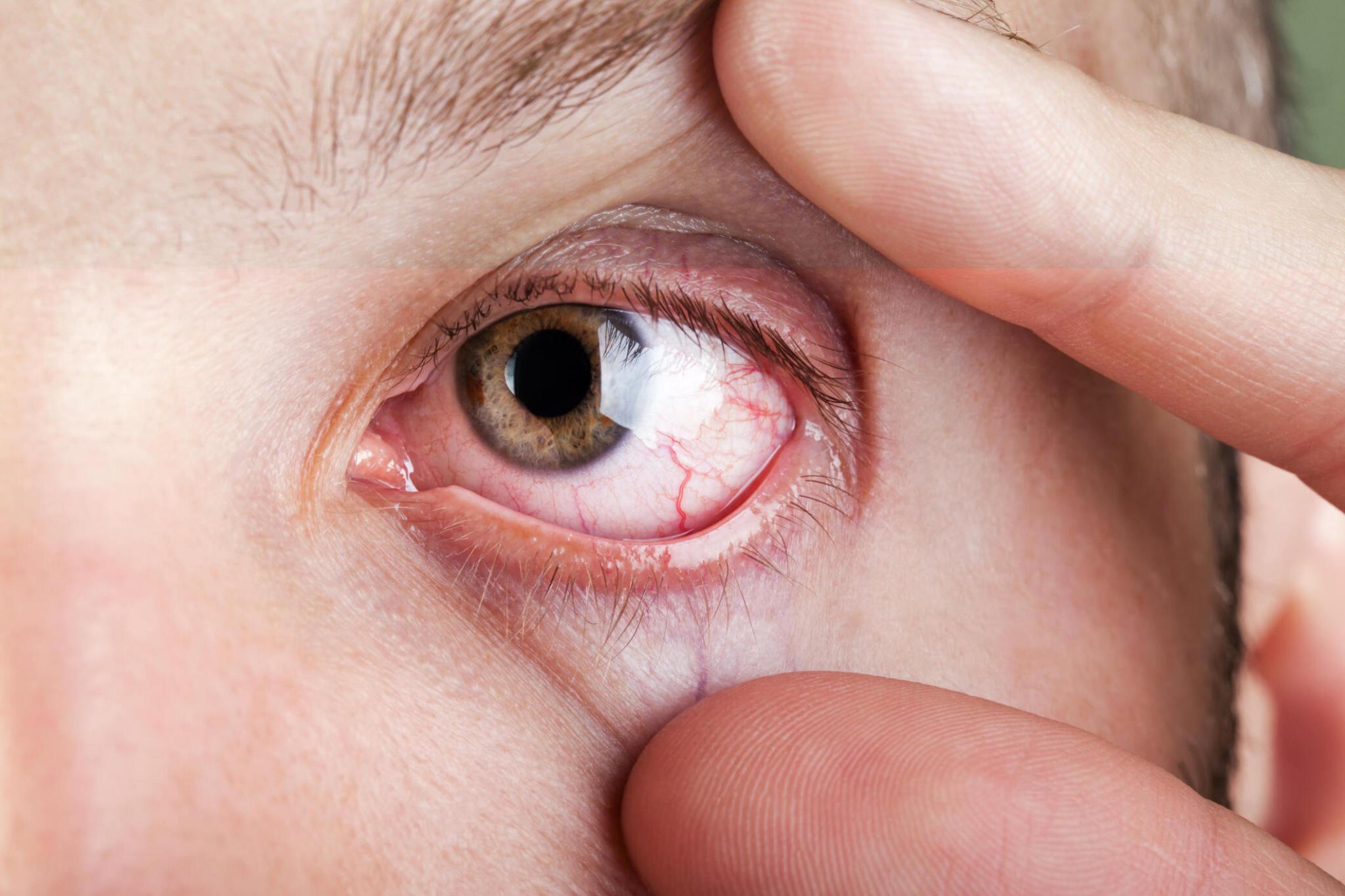
    To dive into the symptoms of Vitreous Disorder, it’s important first to understand what vitreous humor is. It’s a clear, gel-like substance that occupies the space between the lens and the retina of the eye. Vision and general health of the eye can be affected by problems with the vitreous.

    Common Symptoms for Vitreous Disorders

    • Floaters: Spots or moving clouds in your field of view.
    • Flashes of Light: Sudden spurts signify the vitreous is altering.
    • Visual Disturbances: Blurred or distorted vision.
    • Vision Loss: In serious cases, partial or total blindness.
    Early identification of these symptoms can lead to more appropriate treatment.

    Retina Vitreo Treatment in Nagpur

    Nagpur houses several state-of-the-art medical centers that specifically focus on the treatment of retina vitreous. These hospitals provide modern care for vitreous disorders through the use of the latest technologies and treatment methods.

    Diagnosis of Vitreous Disorders

    Diagnosis usually includes comprehensive ocular assessment. Eye doctors in Nagpur diagnose the condition of the vitreous humor and retina using such techniques as ultrasound imaging and ophthalmoscopy.

    Treatment for Vitreous Disorders

    • Observation: Monitoring the condition might suffice in mild cases.
    • Medications: There are specific drugs that can help control the symptoms.
    • Surgery: In serious cases, operations such as vitrectomy are referred to.
    • Laser Therapy: Used for the treatment of retinal damage caused by vitreous diseases.

    How to Select the Best Retina Vitreous Treatment Hospital in Nagpur

    When looking for a treatment, you need to find a good retina vitreo treatment hospital in Nagpur. These hospitals are well-equipped with appropriate facilities and competent specialists to offer full treatment. Sarakshi Netralaya can be your best option for retina vitreo treatment.

    Prevention and Management

    While some vitreous disorders are inevitable, frequent eye check-ups are recommended, and a healthy lifestyle can assist in the early detection and prevention of the disorders.

    Living with Vitreous Disorders

    Life with vitreous disorders requires constant medical visits and following prescribed treatment plans. Patients should also monitor any changes to their symptoms and contact their doctor on time.

    Conclusion

    Vitreous disorders can greatly affect a person’s quality of life, but having knowledge about the symptoms and knowing the available treatment. If you come across any symptoms of vitreous disorders, you should not wait too long and seek immediate medical advice to find out the most effective treatment.

    Book an Appointment

    [wpforms id=”63″ title=”false”]