Neuro Ophthalmology Connecting Brain And Vision
Does Neuro-Ophthalmology Have a Connection Between the Brain and Vision?
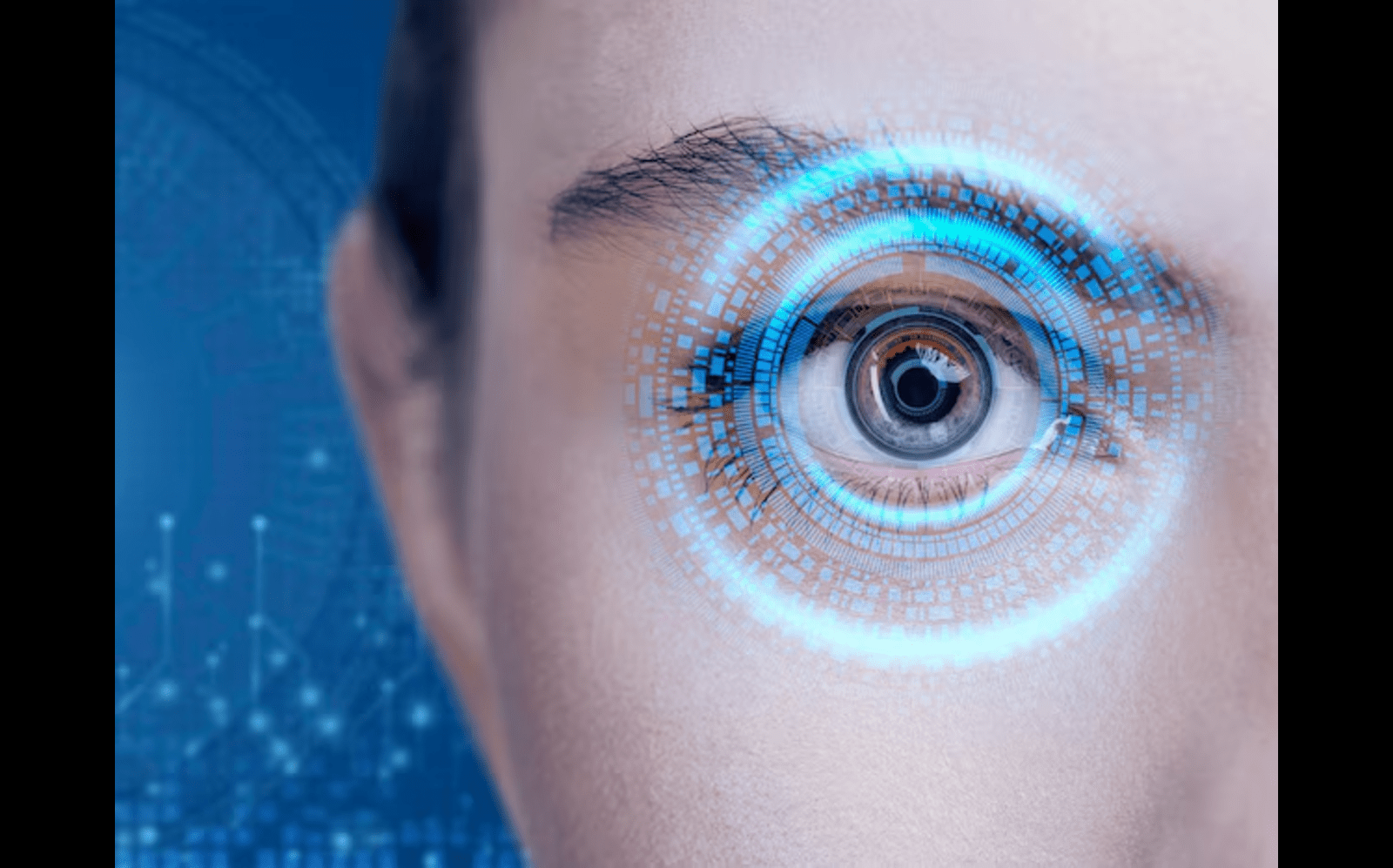
Neuro-Ophthalmology is a fascinating subspecialty that bridges the gap between neurology and ophthalmology, focusing on how the brain and the visual system interact to affect vision. This field is crucial for diagnosing and managing conditions that involve both the brain and the eyes, offering a deeper understanding of how neurological issues can impact visual health.
What is Neuro-Ophthalmology?
Neuro-ophthalmology combines aspects of neurology and ophthalmology to address complex vision problems that arise from neurological disorders. It investigates how disorders of the brain, optic nerves, and surrounding structures influence vision and visual pathways. This specialty is vital for diagnosing conditions where vision loss or abnormalities cannot be explained by standard eye exams alone.
The Connection Between the Brain and Vision
- Visual Pathways and Brain Function: The visual system begins with light entering the eye and being converted into electrical signals by the retina. These signals travel through the optic nerve to the brain’s visual cortex, where they are interpreted as images. Any disruption in this pathway—whether due to neurological or structural issues—can affect vision.
- Optic Nerve Disorders: Disorders of the optic nerve, such as optic neuritis or compressive optic neuropathy, can lead to vision problems. Neuro-ophthalmologists diagnose these conditions and determine whether the underlying cause is neurological, such as multiple sclerosis or a brain tumor.
- Brain Tumors and Vision: Tumors located near the visual pathways or brain regions responsible for processing visual information can cause visual disturbances. Neuro-ophthalmologists work with oncologists and neurosurgeons to manage these tumors and mitigate their effects on vision.
- Stroke and Vision: A stroke can damage the parts of the brain responsible for vision, leading to visual field losses or other abnormalities. Neuro-ophthalmologists assess the extent of vision impairment and collaborate with rehabilitation specialists to optimize visual recovery.
- Migraines and Vision: Migraines often have visual symptoms, including aura or temporary vision loss. Neuro-ophthalmologists help in diagnosing and managing these symptoms, especially when they are persistent or severe.
- Neurological Diseases and Vision: Conditions such as Parkinson’s disease, Alzheimer’s disease, and other neurodegenerative disorders can affect vision. Neuro-ophthalmologists evaluate how these diseases impact visual function and work on strategies to manage these effects.
Why is Neuro-Ophthalmology Important?
Neuro-ophthalmology is essential for a comprehensive approach to diagnosing and treating vision problems that stem from neurological issues. Accurate diagnosis and management can significantly improve quality of life by addressing both visual symptoms and their neurological causes.
At Sarakshi Netralaya, our expert neuro-ophthalmologists are dedicated to providing top-notch care for patients with complex vision issues related to neurological conditions. We offer advanced diagnostic tools and treatments to ensure comprehensive care for your visual and neurological health. If you or a loved one are experiencing vision changes or symptoms that may have a neurological component, contact Sarakshi Netralaya today for a thorough evaluation.